
Children experience big emotions long before they have the words to explain them. Frustration, sadness, anxiety, fear, and anger often show up through behavior instead of conversation.
Meltdowns, withdrawal, changes in sleep, or sudden mood shifts are not signs of a bad child. They are signs of a child trying to communicate something they do not yet know how to say.
This is where therapy can make a powerful difference.
Why children struggle to express emotions
Children’s brains are still developing. Emotional regulation, impulse control, and communication skills take time to grow.
When children feel overwhelmed, they often act it out. What looks like defiance, stubbornness, or misbehavior is frequently emotional overload.
Therapy provides a safe space where children can explore feelings at their own pace, using age appropriate tools instead of pressure to explain everything verbally.
How child therapy works
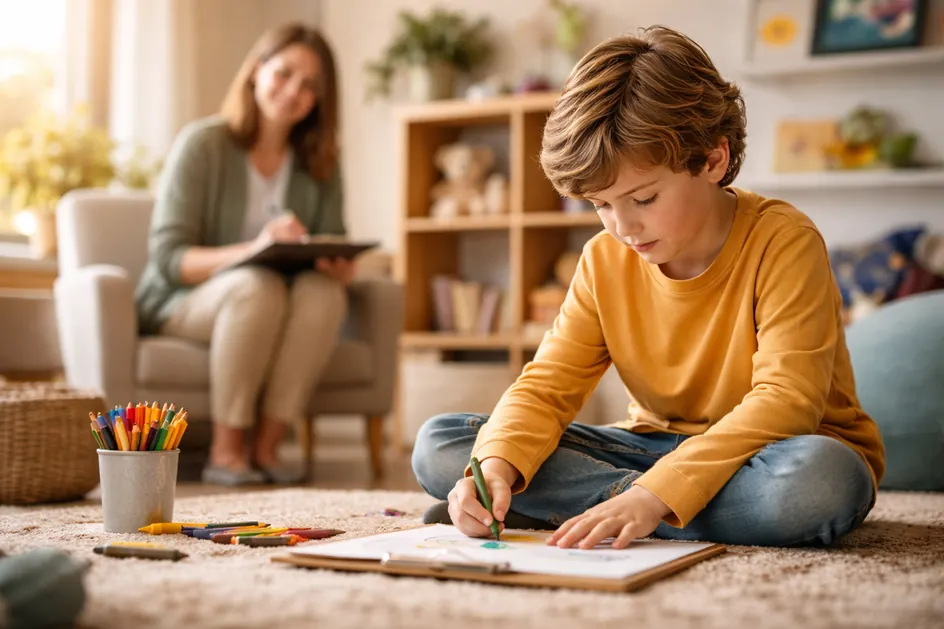
Child therapy often looks different from adult therapy. Sessions may include play, art, movement, or storytelling.
These activities help children express emotions they cannot yet put into words. Through this process, therapists help children identify feelings, build coping skills, and learn healthier ways to respond to stress.
Over time, children gain emotional awareness and confidence in expressing what they need.
Early support makes a lasting impact
Preventative child therapy focuses on supporting emotional development before patterns become ingrained.
Children who receive early support often develop stronger emotional regulation, improved self esteem, and better communication skills. These benefits carry into school, friendships, and family relationships.
Early therapy is not about labeling a child. It is about equipping them with tools they will use for life.
Supporting parents and caregivers
Child therapy also supports parents and caregivers. Therapy can offer insight into a child’s emotional needs and practical strategies for responding at home.
When caregivers feel supported and informed, children benefit from consistency and understanding beyond the therapy room.
When to consider therapy for your child
Therapy may be helpful if your child seems frequently overwhelmed, anxious, withdrawn, or struggles with emotional outbursts.
You do not need to wait for problems to escalate. Preventative support works best when concerns are addressed early.
Child therapy in Ogden and Logan, Utah
Psychological Preventative Health offers compassionate child therapy focused on helping kids express emotions, build resilience, and feel understood.
If you are concerned about your child’s emotional wellbeing, support is available.
Call (801) 719-7737 to get a quote and start the conversation.